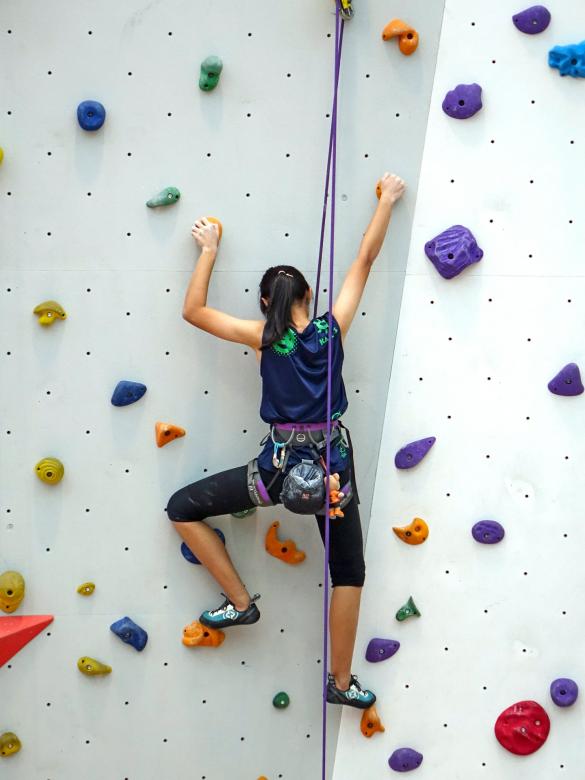
Rock Climbing Techniques: Essential Skills for Beginners
Rock climbing can look like an upper-body workout, but good technique involves much more than pulling yourself upward. Experienced climbers use their feet, hips, balance, and body position to make movements more controlled and efficient.
Beginners often try to reach every hold as quickly as possible or grip the wall as tightly as they can. This can make climbing tiring and difficult. Learning a few basic techniques can help you move with more confidence and understand how to approach unfamiliar routes.
This guide covers foundational skills that apply to both indoor climbing and many forms of outdoor climbing.
1. Improve Your Footwork
Footwork is one of the most useful skills to develop early. Your legs can support much of your body weight, so accurate foot placement can reduce the amount of pulling required from your arms.
Look Before You Place Your Foot
Instead of quickly stepping onto a hold, look at it and aim your shoe carefully. Try to make contact with the part of the shoe that gives you the most control.
Small footholds often require precise placement. Sloppy footwork can cause your shoe to slip or knock another hold.
Use Your Toes
Many climbing shoes are designed to provide grip around the toe area. Turning your foot slightly can help you use the edge of the shoe on smaller holds.
Experiment with foot placement on easy routes. Avoid forcing your foot into a position that causes pain.
Practice Quiet Feet
Quiet feet means placing your feet deliberately rather than repeatedly scraping or banging them against the wall.
This habit encourages you to look at each foothold and make controlled movements. It can also help you notice when your feet are slipping or when you are rushing.
2. Keep Your Body Balanced
Balance determines how much effort you need to stay on the wall. A climber who is balanced over their feet can often reach the next hold without pulling as hard.
Think about where your weight is positioned. If your body swings away from the wall, your arms may need to work harder to keep you attached.
On easy climbs, practice shifting your hips over one foot before reaching with the opposite hand. Notice how a small change in position can make a move feel easier.
3. Use Your Hips and Body Position
Your hips play an important role in climbing. Keeping your body square to the wall is sometimes useful, but turning sideways can make a hold easier to reach.
Turn Your Hips Toward the Wall
When a hold is difficult to reach, try rotating one hip closer to the wall. This can improve your reach without requiring you to stretch your arm as far.
Stay Close When Appropriate
Moving your hips closer to the wall can help maintain balance, particularly on vertical terrain. However, some overhanging routes require different body positions.
The goal is not to keep your body in one fixed position. It is to find the position that allows you to stay balanced and move efficiently.
4. Learn Basic Grip Types
Different holds require different hand positions. Beginners do not need to master every grip immediately, but recognizing common hold shapes helps when planning a route.
- Jug: A large, comfortable hold that is easy to grasp.
- Crimp: A small edge that may require a more closed finger position.
- Sloper: A rounded hold that relies on friction and body positioning.
- Pinch: A hold that you grip between your thumb and fingers.
- Pocket: A hole or indentation that accepts one or more fingers.
- Undercling: A hold used by pulling upward from underneath.
Do not force a grip that causes finger or joint pain. Small holds and demanding finger positions can place significant stress on your hands. Build difficulty gradually and take rest days when needed.
5. Use Straight Arms When You Can
Beginners often keep their elbows bent and pull continuously. This can fatigue the forearms quickly.
When the route allows, try to straighten your arms and let your skeleton support more of your weight. This may give your muscles a short break while you decide on the next movement.
Straight arms are not appropriate for every position. On steep terrain or powerful moves, you may need to bend your elbows. The useful habit is learning when you can relax rather than staying tense throughout the climb.
6. Learn to Flag
Flagging is a technique where you extend one leg to help balance your body.
For example, if you are standing on a foothold with your right foot, you might extend your left leg out to the side to counterbalance a reach with your right hand.
The extended foot may not be on a hold. It helps control your center of gravity and can prevent your body from swinging away from the wall.
Flagging is especially useful when the available footholds are limited or positioned to one side.
7. Read the Route Before You Climb
Route reading means looking at a climb and considering how you might move through it.
Before starting:
- 1Identify the starting holds.
- 2Follow the handholds toward the finish.
- 3Look for possible footholds.
- 4Notice sections where you may need to turn your hips or shift your weight.
- 5Identify places where you might be able to pause and rest.
Your plan does not need to be perfect. Routes often feel different once you are on the wall. Route reading simply gives you a starting point.
If you are bouldering, you can also look at how other climbers approach the problem. Watch their foot placement and body position rather than only the final move.
8. Manage Your Energy
Climbing becomes harder when you use more energy than necessary. Good movement and sensible pacing help you stay focused throughout a session.
Avoid Overgripping
Holding every grip as tightly as possible can tire your forearms. Use only as much force as you need to maintain control.
Rest When You Can
On a roped climb, some positions may allow you to rest one arm or shake out a hand. In bouldering, rest between attempts rather than repeatedly climbing until your muscles are exhausted.
Breathe
It is easy to hold your breath when concentrating on a difficult move. Try to breathe steadily and avoid rushing.
Recognize Fatigue
When your movement becomes uncontrolled or your grip begins to fail, take a break. Do not keep climbing through pain or significant fatigue.
9. Practice Technique on Easy Routes
It can be tempting to spend every session attempting the hardest route you can find. However, easier climbs provide a good opportunity to practice movement.
Try a session where you focus on one skill:
- One session emphasizing quiet feet.
- Another focusing on hip rotation.
- Another practicing balance and flagging.
- Another concentrating on relaxed grip and straight arms.
You may find that a route you have climbed many times feels different when you pay attention to technique.
10. Get Feedback From Other Climbers
A coach or instructor can identify movement habits that are difficult to notice yourself. Even a small adjustment to foot placement or body position can change how a route feels.
Ask for feedback on a specific movement rather than simply asking how to climb harder. You can also watch experienced climbers, but remember that advanced techniques may not be appropriate for your current ability.
For a broader introduction to the sport, see Rock Climbing for Beginners.
Beginner Technique Practice Ideas
Use easy routes and follow gym rules when practicing these ideas.
| Practice focus | What to work on |
|---|---|
| Quiet feet | Place each foot carefully |
| Balance | Shift weight over stable footholds |
| Hip movement | Rotate your body to improve reach |
| Flagging | Use an extended leg to counterbalance |
| Route reading | Plan a sequence before starting |
| Relaxed grip | Avoid squeezing holds unnecessarily |
Do not turn technique practice into a competition. The goal is to become more aware of your movement.
Frequently Asked Questions
Is technique more important than strength in climbing?
Both matter, but technique can make a major difference. Efficient footwork and body positioning help climbers use their strength more effectively.
Why do my arms get tired so quickly?
Beginners often rely heavily on their arms, grip holds too tightly, or climb without resting. Practice using your feet, staying balanced, and relaxing your grip when possible.
How can I improve my footwork?
Start with easy routes and deliberately watch each foot as you place it. Practice quiet feet and avoid unnecessary adjustments.
Should beginners train finger strength?
Beginners should focus on learning movement and building general climbing experience before adding intensive finger training. Finger and tendon injuries can take time to recover from. If you are considering structured training, seek guidance from a qualified climbing coach.
Keep Practicing the Fundamentals
Better climbing technique develops through repetition, observation, and patience. Focus on one movement skill at a time, choose routes that let you practice it, and give your body enough time to recover.
Continue with Bouldering Basics or review the Best Rock Climbing Gear for Beginners to learn more about the equipment that supports your climbing.