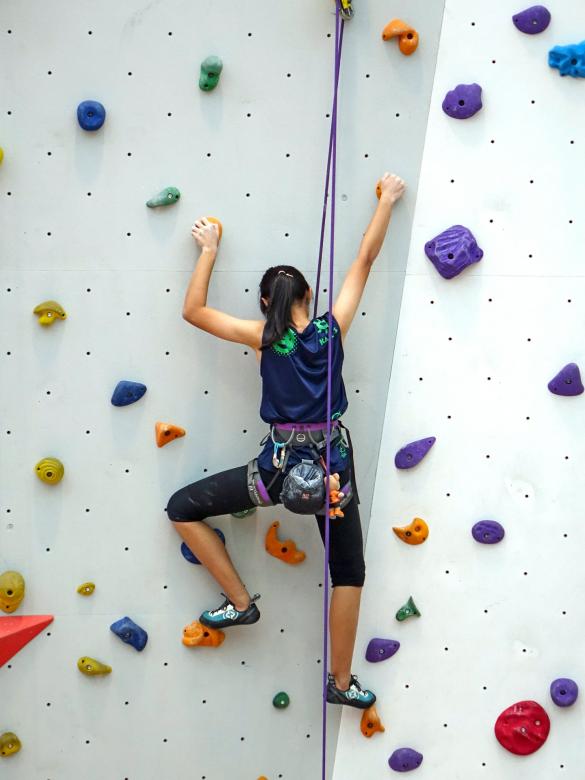
Rock Climbing for Beginners: A Complete Guide
Rock climbing combines physical movement, problem-solving, balance, and concentration. Climbers work their way up walls or natural rock formations using handholds and footholds, choosing a sequence of movements that gets them to the top. It can be a social activity, a personal challenge, or a way to explore outdoor landscapes.
You do not need to be extremely strong or experienced to begin. Indoor climbing gyms make it possible to learn the basics in a controlled environment, while beginner-friendly outdoor areas offer another way to develop the sport.
This guide covers the main types of climbing, what you need to get started, and how to build a foundation safely.
What Is Rock Climbing?
Rock climbing is a sport in which participants ascend artificial walls or natural rock. Climbers use their hands and feet to move between holds, ledges, cracks, and other features.
Different styles offer different experiences. Some involve ropes and protective equipment, while others keep climbers closer to the ground without ropes.
The most common styles for beginners include:
- Bouldering: Short climbs without ropes, usually over padded flooring indoors or portable crash pads outdoors.
- Top-rope climbing: A rope runs through an anchor above the climber and is managed by a belayer on the ground.
- Sport climbing: Climbers ascend routes protected by fixed bolts, clipping the rope into protection as they go. This requires additional training.
- Traditional climbing: Climbers place and remove their own protective equipment in cracks and other rock features. This is an advanced discipline that requires substantial experience.
Bouldering and indoor top-rope climbing are common starting points because gyms provide instruction, equipment rentals, and routes for different ability levels.
Choosing Your First Type of Climbing
Your first climbing experience does not need to be complicated. Think about what sounds enjoyable and what facilities are available nearby.
Bouldering
Bouldering involves climbing relatively short routes called problems. There are no ropes or harnesses. Indoor bouldering areas use thick padded flooring, while outdoor climbers use portable crash pads.
Bouldering is often easy to try because the equipment list is short. You can usually rent shoes at a climbing gym and start with beginner problems.
Read Bouldering Basics: A Beginner's Guide for a closer look at this style.
Top-Rope Climbing
Top-rope climbing uses a rope that passes through an anchor above the route. One person climbs while another person, called the belayer, manages the rope from below.
A climbing gym can teach you how the system works and explain its belay certification requirements. Do not attempt to belay or tie into a climbing system based only on written instructions.
Indoor or Outdoor Climbing?
Indoor gyms provide predictable conditions, marked routes, padded floors in bouldering areas, and access to staff. Outdoor climbing introduces natural rock, weather, route finding, and environmental considerations.
For most beginners, a gym is the simplest place to learn. Once you have experience and appropriate instruction, you can explore outdoor climbing with knowledgeable partners or a qualified guide.
Beginner Rock Climbing Equipment
You do not need to buy a complete equipment collection before your first session. Most climbing gyms rent basic equipment.
| Equipment | Purpose |
|---|---|
| Climbing shoes | Provide grip and precision on climbing holds |
| Chalk | Helps manage sweaty hands |
| Chalk bag | Holds chalk while climbing |
| Harness | Connects a climber to a rope system |
| Climbing rope | Provides protection during roped climbing |
| Belay device | Helps a trained belayer manage the rope |
| Helmet | Helps protect against certain head impacts and falling objects outdoors |
For indoor bouldering, rental shoes may be all you need initially. For roped climbing, the gym will explain which equipment is supplied and what you must bring.
Learn more in Best Rock Climbing Gear for Beginners: What You Need.
Understanding Climbing Grades
Climbing grades describe the difficulty of a route or bouldering problem. They help climbers choose challenges suited to their current ability.
In the United States, roped routes commonly use the Yosemite Decimal System. Beginner routes often start around 5.5 or 5.6, with higher numbers and letter grades indicating increasing difficulty.
Bouldering commonly uses the V scale. Beginner problems may start around V0, followed by V1, V2, and progressively harder grades.
Grades are useful guidelines, not universal measurements. Different gyms, climbing areas, and route setters may grade differently. A route's difficulty can also depend on a climber's height, reach, flexibility, and strengths.
Start with easier routes and focus on learning movement rather than chasing a particular grade.
Basic Skills Every Beginner Should Learn
Climbing is often less about pulling with your arms and more about positioning your body efficiently.
Start by practicing:
- Foot placement: Place your feet deliberately instead of repeatedly adjusting them.
- Balance: Keep your weight over your feet when possible.
- Body positioning: Turn your hips and shoulders to make holds easier to reach.
- Route reading: Look at the holds before climbing and consider a possible sequence.
- Controlled movement: Avoid rushing or making unnecessary movements.
- Resting: Learn to pause in comfortable positions rather than gripping every hold as tightly as possible.
These skills become more important as routes get harder. See Rock Climbing Techniques: Essential Skills for Beginners.
Staying Safe as a New Climber
Climbing involves falls and equipment systems that must be used correctly. Take the time to learn gym rules, follow staff instructions, and ask questions when something is unclear.
For roped climbing, learn harness use, knots, belaying, communication, and partner checks through qualified hands-on instruction. For bouldering, understand how to fall safely, keep landing areas clear, and avoid walking beneath other climbers.
Outdoor climbing adds risks such as loose rock, changing weather, difficult approaches, and limited access to help.
Read the Rock Climbing Safety Guide before moving beyond a supervised beginner session.
How to Start Your First Climbing Session
A simple first-session plan can make the experience less intimidating.
- 1Find a climbing gym with beginner sessions or introductory classes.
- 2Check whether you need to book and what equipment is available to rent.
- 3Wear comfortable athletic clothing that allows you to move freely.
- 4Listen to the gym orientation and learn its rules.
- 5Start with the easiest routes or problems.
- 6Take breaks and stop if you feel pain or unusually fatigued.
- 7Ask staff for advice about classes or the next skills to learn.
You do not need to complete difficult routes on your first visit. Learning how the wall works and becoming comfortable with movement are worthwhile goals.
Building a Climbing Routine
Consistency is more useful than trying to climb hard every time you visit. Start with manageable sessions and allow your body to recover, especially while your fingers and forearms adapt to the activity.
As you improve, work on different types of movement rather than repeating only the routes you already find easy. Consider taking a technique class, climbing with experienced partners, or keeping notes about routes you want to try again.
If you want to progress toward outdoor climbing, seek instruction appropriate to the style you plan to pursue. Outdoor roped climbing involves skills that go well beyond simply being able to climb a gym wall.
Frequently Asked Questions
Do you need to be strong to start rock climbing?
No. General fitness can help, but beginners can start with easy routes and gradually develop strength, balance, and coordination. Technique often makes a major difference.
Is rock climbing expensive?
Costs vary. A gym visit may include an entry fee and equipment rental, while outdoor climbing can require shoes, harnesses, ropes, protection, transportation, and other gear. Renting equipment and taking introductory classes can help you understand the costs before investing.
How often should beginners climb?
Start at a frequency that allows you to recover comfortably. One or two sessions per week can be a reasonable introduction for many people, but your schedule should account for your fitness, recovery, and any discomfort.
Can children try rock climbing?
Many gyms offer youth programs, but age requirements, supervision rules, and equipment vary. Check directly with the facility before booking.
Start With the Basics
Rock climbing offers many ways to challenge yourself, from indoor bouldering to outdoor routes on natural rock. Begin with an accessible style, learn the equipment and safety rules, and give yourself time to develop good movement habits.
Explore the other Rock Climbing guides to learn about bouldering, safety, equipment, and climbing techniques.