
Bouldering Basics: A Beginner's Guide
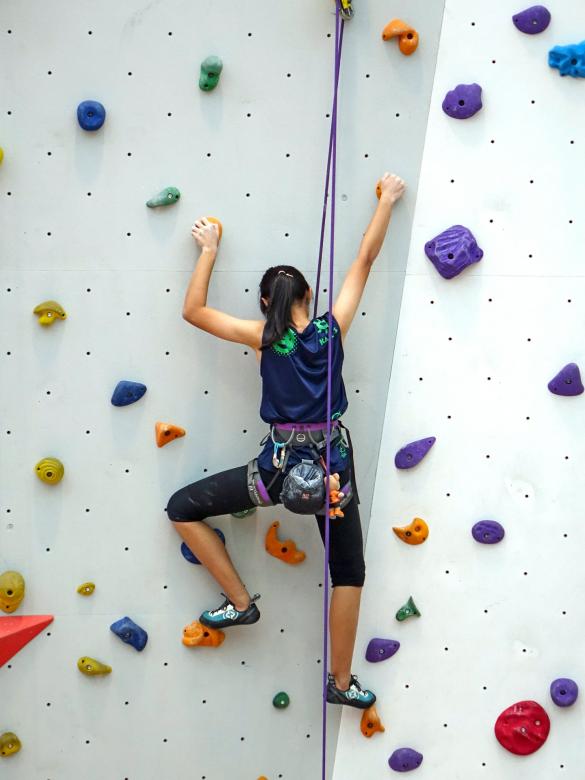
Bouldering is a style of rock climbing that focuses on short, challenging climbs without ropes or harnesses. Instead of climbing high walls, boulderers work through compact sequences of movements called problems. Indoor climbing gyms use padded flooring, while outdoor climbers place portable crash pads beneath the rock.
The sport is accessible to beginners because it requires relatively little equipment and can be practiced at a climbing gym. It also offers plenty of room to improve: a problem that seems impossible on the first attempt may become manageable after learning how to position your feet, shift your weight, and use the holds efficiently.
This guide explains the basics so you know what to expect before your first session.
What Is Bouldering?
Bouldering is a form of climbing performed on shorter walls or rock formations. Climbers use their hands and feet to move from a starting position to a designated finishing hold or position.
A bouldering route is called a problem because solving it involves figuring out the sequence of movements. Some problems emphasize balance and precise footwork, while others require flexibility, coordination, or powerful movements.
Unlike roped climbing, bouldering does not use a rope to catch a fall. Indoor gyms use padded flooring, and outdoor climbers use crash pads and appropriate spotting practices. Padding reduces some impact but does not eliminate the risk of injury.
What You Need for Bouldering
One reason bouldering appeals to beginners is its relatively short equipment list.
Climbing Shoes
Climbing shoes have specialized rubber soles that help grip climbing holds and rock surfaces. They should fit securely and allow you to place your feet accurately.
Shoes that are painfully tight are not necessary for beginners. Many gyms rent shoes, which is a good way to learn what style and fit you prefer before buying a pair.
Chalk
Climbing chalk helps absorb moisture from sweaty hands. It is commonly carried in a small chalk bag or container.
Gyms may have rules about loose chalk, chalk balls, or liquid chalk, so check the facility's policy before using it.
Crash Pads
Outdoor bouldering usually requires crash pads placed beneath the landing area. Pads help cushion falls, but they must be positioned appropriately and cannot protect against every awkward landing or uneven surface.
The number, size, and placement of pads depend on the landing area and the problem. Beginners should go with experienced outdoor boulderers rather than trying to set up a landing zone on their own.
Brush and Tape
A climbing brush can remove dirt or excess chalk from holds where brushing is permitted. Athletic tape may be useful for minor skin protection, but it should not be used to ignore an injury.
For most indoor beginners, rental shoes and comfortable clothing are enough to get started.
Understanding Bouldering Grades
Bouldering problems are assigned difficulty grades. In the United States, the most familiar system is the V scale.
| Grade | General description |
|---|---|
| VB | Introductory or very easy problem |
| V0 | Beginner-level problem |
| V1–V2 | Increasing movement and technique challenges |
| V3–V4 | More demanding sequences and body positions |
| V5 and above | Progressively advanced problems |
These descriptions are broad guidelines. Grades vary between gyms and outdoor areas, and a problem may feel harder or easier depending on your height, reach, flexibility, and preferred style.
Do not treat grades as a measure of personal worth. A lower-grade problem can teach useful skills, and repeating an easier climb with better technique is worthwhile practice.
How to Approach a Bouldering Problem
Before leaving the ground, take a moment to study the problem.
1. Identify the Starting Holds
Most gyms mark the starting holds with tape, tags, or colored holds. Check the gym's system so you know which holds belong to the problem.
2. Look for a Possible Sequence
Follow the holds with your eyes. Think about which hand might move first, where your feet could go, and whether the route requires you to turn your hips or shift your weight.
You do not need to plan every movement perfectly. Having a rough idea can make the first attempt less confusing.
3. Pay Attention to Your Feet
Beginners often focus on reaching the next handhold and forget that their feet provide much of their support.
Try placing your toes accurately and keeping your feet still once they are in position. Avoid repeatedly scraping or repositioning them unless necessary.
4. Move With Control
Use deliberate movements instead of rushing. Look for opportunities to keep your body balanced and avoid gripping holds harder than needed.
5. Learn From Each Attempt
If you fall or cannot complete a move, consider what happened. Was your foot too low? Did you shift your weight too early? Could you turn your hips to make the next hold easier to reach?
Trying a different approach is part of the problem-solving process.
Basic Bouldering Techniques
Several movement skills can make climbing more efficient.
- Quiet feet: Place your feet carefully and avoid repeatedly knocking them against the wall.
- Flagging: Extend one leg to the side to help balance your body.
- Hip rotation: Turn your hips toward the wall to improve reach and reduce strain.
- Straight arms: When the position allows, keep your arms relatively straight to avoid tiring your forearms.
- Weight shifting: Move your center of gravity over a stable foot before reaching for the next hold.
These are starting concepts rather than rules for every move. Different problems require different techniques, and a climbing instructor can help you understand when to use them.
For more movement advice, see Rock Climbing Techniques: Essential Skills for Beginners.
Bouldering Safety for Beginners
Bouldering does not use ropes, but falls are still a serious consideration. A padded floor or crash pad cannot guarantee a safe landing.
At an indoor gym:
- Check that the landing area is clear before starting.
- Never walk or stand directly beneath someone who is climbing.
- Wait until another climber has finished before entering the same landing zone.
- Learn how the gym expects climbers to descend from the wall.
- Avoid climbing beyond a height or movement that you can manage safely.
When falling, try to avoid reaching out with a straight arm to catch yourself. Gyms often teach basic falling and landing practices during orientations. Follow their instruction and do not deliberately practice falls from heights.
Outdoor bouldering introduces additional hazards, including uneven ground, rocks, tree roots, and changing weather. Go with experienced people who understand pad placement, spotting, and the landing area. A spotter can help guide a fall toward a pad, but cannot guarantee that the climber will land safely.
Read the Rock Climbing Safety Guide before trying outdoor climbing.
Your First Bouldering Session
A first visit should be about learning the environment rather than completing the hardest problem you can find.
- 1Choose a climbing gym with beginner-friendly routes.
- 2Ask about orientation, day passes, and shoe rentals.
- 3Learn the gym's grading and route-marking system.
- 4Warm up with easy movement and comfortable problems.
- 5Rest between attempts.
- 6Stop if you experience pain, particularly in your fingers or joints.
- 7Ask staff or an instructor for technique advice.
It is normal to feel awkward at first. Climbing uses movement patterns that may be unfamiliar, and your body needs time to adapt.
Common Beginner Mistakes
Relying Too Much on Arm Strength
Pulling hard with your arms can tire you quickly. Look for stable foot positions and ways to move your hips closer to the wall.
Trying Problems That Are Too Difficult
A problem that is far beyond your current ability can make it difficult to practice basic movement. Spend time on easier routes and gradually increase the challenge.
Skipping Rest
Repeated attempts can fatigue your forearms and fingers. Rest between climbs and avoid continuing when your technique becomes uncontrolled.
Ignoring the Landing Area
Always check the area before climbing. Other people, loose objects, and poorly positioned pads can create hazards.
Indoor vs. Outdoor Bouldering
Indoor bouldering offers consistent access, marked problems, padded flooring, and a controlled setting. Outdoor bouldering involves natural rock, changing conditions, route research, crash pads, and responsibility for the surrounding environment.
Outdoor problems can be affected by moisture, loose rock, vegetation, and the shape of the landing area. Beginners should not assume that outdoor bouldering is simply indoor climbing on a rock.
Frequently Asked Questions
Is bouldering good for beginners?
Yes. Indoor gyms provide beginner problems, rental shoes, and opportunities to learn basic movement. Start with easy climbs and follow the gym's safety rules.
Do you need a partner to boulder?
You do not need a belay partner, but having an experienced companion can make outdoor sessions safer and more enjoyable. Indoor climbers should still pay attention to other people sharing the landing area.
How long should a beginner boulder?
Start with a manageable session and take breaks. Your fingers, forearms, and skin may need time to adapt. Stop if you experience pain rather than trying to push through it.
Can you boulder outdoors as a beginner?
It is better to learn basic movement and landing awareness in a gym first. For outdoor sessions, go with experienced boulderers who understand the area, crash pads, spotting, and local access rules.
Keep Learning
Bouldering is a combination of movement, patience, and problem-solving. Start with easy problems, focus on technique, and build confidence gradually.
Explore the Rock Climbing beginner guide for an overview of the wider sport, or continue with the Rock Climbing Safety Guide.