
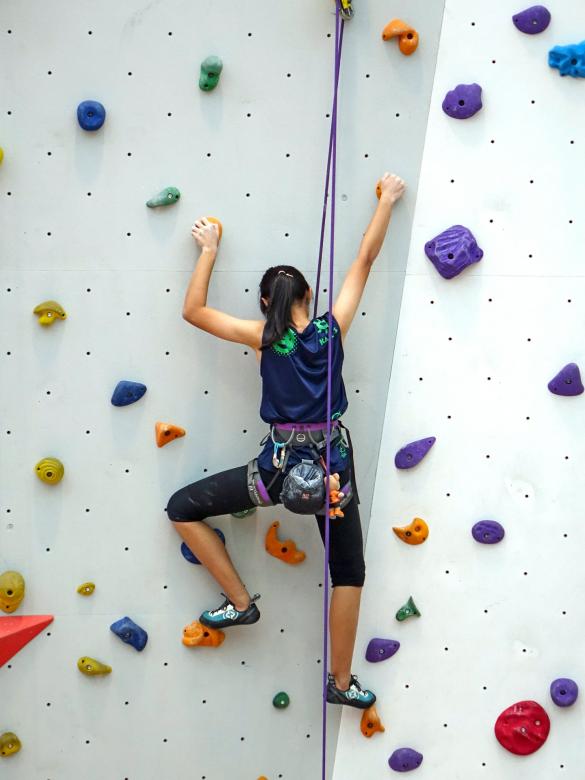
Rock Climbing Safety Guide: Essential Rules for Beginners
Rock climbing can be an enjoyable way to build strength, coordination, and confidence, but it involves real risks. Climbers can fall, equipment can be used incorrectly, and outdoor conditions can change quickly.
Good safety habits start before you leave the ground. Beginners should learn the rules of their climbing gym, understand the equipment they use, and seek qualified instruction before attempting technical skills.
This guide covers important safety principles for indoor climbing, bouldering, and outdoor climbing. It is an introduction, not a substitute for hands-on training.
Start With Proper Instruction
The safest way to learn climbing is from a qualified instructor, climbing gym, or experienced professional who can supervise your practice.
Written guides and videos can explain terminology, but they cannot confirm that you have tied a knot correctly, attached a harness properly, loaded a belay device correctly, or built a safe anchor.
Before participating in roped climbing, receive hands-on instruction in the specific system you will use. This includes:
- Correct harness fitting and use.
- Tying in with the appropriate knot.
- Using the belay device approved for your activity.
- Climbing commands and communication.
- Partner checks before leaving the ground.
- Lowering procedures and emergency responses.
Belaying, lead climbing, anchor construction, rappelling, and rescue techniques require practical training and supervised assessment. Do not attempt them based only on an article.
Indoor Climbing Gym Safety
Indoor gyms provide a controlled environment, but climbers still need to pay attention to their surroundings.
Follow the Gym Orientation
Every gym has its own rules for equipment, route access, belaying, auto-belays, and bouldering areas. Attend the required orientation and ask staff if anything is unclear.
Some gyms require a belay test or certification before allowing customers to belay independently. Follow the facility's requirements even if you have climbed elsewhere.
Check Your Equipment
Before climbing, inspect your equipment for obvious damage, wear, or incorrect fit. Use only climbing equipment designed for the activity and follow the manufacturer's instructions.
If something looks damaged or does not fit correctly, do not use it. Ask staff to inspect it or replace it.
Be Aware of Other Climbers
Climbing walls are shared spaces. Avoid walking under climbers, crossing into another person's route, or standing in landing zones.
Wait until the area is clear before beginning a bouldering problem. Keep bags, water bottles, and other belongings away from climbing and landing areas.
Bouldering Safety
Bouldering uses no ropes, so climbers rely on their ability to manage falls and on padded flooring indoors or crash pads outdoors.
Understand the Landing Area
Before starting a problem, look at the entire area where you might land. Check for other people, equipment, uneven ground, and obstacles.
At a gym, use the padded flooring as intended and follow the facility's rules about where people can stand.
Learn How to Fall
A climbing gym instructor can demonstrate appropriate landing practices for its walls and flooring. Avoid trying to catch a fall with a straight arm or reaching toward an object on the way down.
Do not deliberately jump from unnecessary heights to practice falling. If you cannot descend comfortably, ask gym staff for guidance.
Keep the Area Below You Clear
Never begin climbing directly above someone else. Other climbers may move unexpectedly, and a falling climber can injure anyone beneath them.
Outdoor Crash Pads and Spotting
Outdoor crash pads can reduce the impact of some falls, but they do not eliminate injury risk. Pad placement must account for the likely fall direction and the shape of the landing area.
A spotter may help guide a climber toward a pad, but spotting is not a replacement for a suitable landing zone or appropriate route choice. Learn these practices from experienced outdoor boulderers.
Roped Climbing Safety
Roped climbing relies on a system of equipment and communication between the climber and belayer. Both people have responsibilities.
Use a Partner Check
Before climbing, climber and belayer should perform the partner check taught by their instructor or gym. The check should cover the harnesses, tie-in, belay setup, and communication.
Do not assume that a familiar partner has checked everything. Each person should participate in the process.
Learn Belaying Properly
Belaying involves managing the rope so that the climber is protected during the climb. The correct technique depends on the device and the type of climbing.
A belayer must remain attentive. Distractions, poor rope handling, and unfamiliar equipment can create serious hazards.
Only belay independently after completing appropriate training and meeting the facility's requirements.
Communicate Clearly
Climbing partners use agreed commands to communicate when the climber is ready, when the belayer is prepared, and when the rope system is being used.
Learn the commands used by your gym or climbing group. If communication is unclear, resolve it before climbing.
Outdoor Rock Climbing Hazards
Outdoor climbing is different from climbing in a gym. Natural rock, weather, access conditions, and the distance from emergency assistance all affect risk.
Falling Rock and Loose Holds
Rock can break or become loose, especially in areas with weathering, heavy use, or recent storms. Avoid climbing beneath other parties where falling objects may be a concern.
Wear a properly fitted climbing helmet when appropriate for the route and environment. Helmets help reduce some head-injury risks but do not make an unsafe situation safe.
Weather and Temperature
Rain, snow, wind, heat, and cold can change climbing conditions. Wet rock may be slippery, and some rock types can be damaged by climbing when wet.
Check the forecast and local conditions before leaving. Be prepared to change plans or turn around if conditions deteriorate.
Sun, Water, and Fatigue
Outdoor approaches and climbing sessions can involve long periods in the sun. Bring enough water, suitable clothing, sun protection, and food for the planned outing.
Fatigue can affect decision-making and movement. Take breaks and avoid continuing when you are too tired to climb or manage equipment carefully.
Access and Route Information
Research the climbing area before visiting. Check current access rules, closures, route descriptions, descent information, and any seasonal restrictions.
Use reliable guidebooks or local climbing organizations. Do not assume that a route is suitable simply because it appears in a photograph or online post.
Essential Safety Equipment
The equipment you need depends on the climbing style.
| Equipment | Safety purpose |
|---|---|
| Climbing helmet | Helps protect the head from certain impacts and falling objects |
| Climbing harness | Connects a climber to a roped climbing system |
| Climbing rope | Provides protection when used in a suitable system |
| Belay device | Helps a trained belayer manage the rope |
| Locking carabiners | Connect compatible components in approved systems |
| Crash pads | Cushion some bouldering falls |
| First-aid supplies | Help address minor injuries while awaiting further care |
All equipment should be designed for climbing, correctly sized, and used according to its instructions. Inspect it before use and retire equipment when required by the manufacturer or when its history or condition is uncertain.
Common Beginner Safety Mistakes
Avoid these common errors:
- Skipping instruction: Watching someone use equipment is not the same as learning to use it.
- Rushing checks: A familiar routine still needs attention every time.
- Climbing above your ability: Choose routes that match your current skills and conditions.
- Ignoring fatigue: Tired climbers may make poor decisions or lose control of movements.
- Standing beneath climbers: Keep landing zones and fall zones clear.
- Assuming helmets prevent every injury: Helmets reduce some risks but do not prevent all head injuries.
- Ignoring weather: Conditions can make a previously manageable route unsafe.
A Beginner's Safety Checklist
Use this as a reminder before a climbing session. It does not replace the checks and procedures taught by your instructor or required by the facility.
- [ ] I understand the gym or climbing area's rules.
- [ ] My equipment is appropriate, correctly fitted, and in good condition.
- [ ] I have received the necessary instruction for the activity.
- [ ] My partner and I have completed the required checks.
- [ ] The climbing and landing areas are clear.
- [ ] I understand the communication system being used.
- [ ] I have checked relevant weather and access conditions for outdoor climbing.
- [ ] I am prepared to stop if conditions or my physical state change.
Frequently Asked Questions
Is indoor rock climbing safe for beginners?
Indoor gyms provide a controlled environment and beginner instruction, but climbing still carries risks. Follow the gym's rules, use equipment correctly, and take the required classes or assessments.
Do you need a helmet for outdoor climbing?
A climbing helmet is an important part of outdoor climbing equipment because rockfall and impacts can occur. Follow the guidance of qualified instructors and the requirements of the route or climbing area. A helmet does not eliminate risk.
Can you learn to belay from a video?
Videos can help reinforce instruction, but they should not be your only source of training. Belaying requires hands-on practice, feedback, and an assessment of your ability to use the specific equipment correctly.
Are crash pads enough for outdoor bouldering?
No. Crash pads can cushion some falls, but landing surfaces may be uneven, and climbers can fall outside the padded area. Appropriate pad placement, spotting knowledge, route selection, and awareness remain important.
Make Safety Part of Every Climb
Good climbing habits are built through instruction, preparation, communication, and sound judgment. Learn one style at a time, use appropriate equipment, and do not rush into technical skills.
For a broader introduction to the sport, read Rock Climbing for Beginners. If you are deciding what equipment to purchase, continue with Best Rock Climbing Gear for Beginners.
