Best Blenders for Smoothies, Soups & Home Cooking (2026)
A blender can be one of the most versatile appliances in a home kitchen.
The right best blender for you depends on what you actually want to make. Someone who mainly makes smoothies has different needs from someone who wants to blend soups, sauces, nut butters, or frozen desserts.
Instead of focusing only on motor numbers or brand names, start with your intended use.
Blender Types
There are three main categories worth considering.
| Type | Best For | Main Advantage | | ---------- | ---------------------------- | ---------------------- | | Countertop | Smoothies, soups, sauces | Versatility | | Immersion | Soups, sauces, small batches | Convenient and compact | | Personal | Smoothies, single servings | Small footprint |
Countertop Blenders
A countertop blender is the traditional option.
It usually includes a motor base and a removable jar.
These blenders are useful for:
- Smoothies
- Soups
- Sauces
- Frozen drinks
- Purees
- Dips
- Some nut-based recipes
A quality countertop blender can become a general-purpose kitchen appliance.
Immersion Blenders
An immersion blender, also called a hand blender, places the motor and blades at the end of a handheld shaft.
They're especially useful for:
- Soups
- Sauces
- Purees
- Small batches
- Quick blending
The biggest advantage is convenience.
Instead of transferring hot soup to a countertop blender, you can often blend it directly in a suitable cooking pot.
Always follow the appliance manufacturer's instructions when blending hot liquids.
Personal Blenders
Personal blenders are designed around smaller portions.
They're useful for:
- Single smoothies
- Protein drinks
- Small sauces
- Quick breakfast recipes
They take up less counter space but aren't necessarily the best choice for large batches.
What to Look For
Motor Performance
Manufacturers often emphasize wattage or horsepower.
Those numbers can be useful, but they don't tell the entire story.
Blade design, jar shape, software or controls, and overall engineering also affect performance.
Jar Material
Blender jars may be made from plastic, glass, or other materials.
Plastic is generally lighter.
Glass can resist staining and odors but adds weight and can break.
Choose based on your priorities.
Speed Settings
Some blenders use simple low/high controls.
Others provide multiple speeds or programmable settings.
More controls aren't automatically better.
The useful question is whether the controls help you make the foods you actually prepare.
Noise
Blenders can be loud.
If you live in an apartment or regularly blend early in the morning, noise may matter more than you initially expect.
Choosing a Blender by Use Case
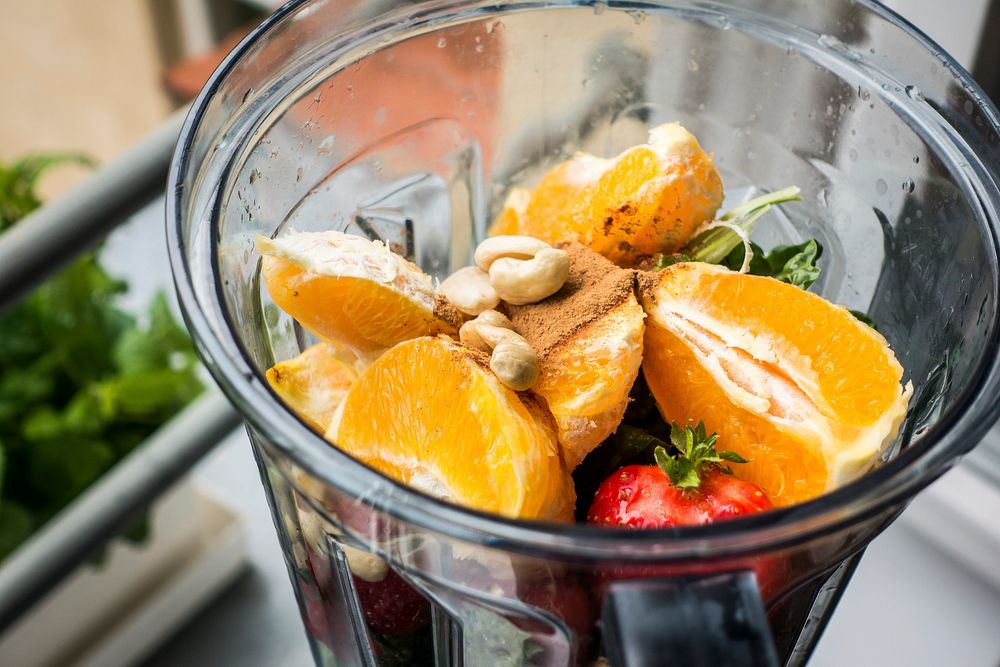
Best for Smoothies
Look for:
- Strong blending performance
- Useful speed control
- A jar suited to your serving size
- Easy cleaning
Frozen fruit and ice can be more demanding than soft ingredients.
Best for Soups
An immersion blender can be extremely convenient.
A countertop blender can also produce very smooth results, but hot-liquid handling requires extra care.
Best for Sauces
Either countertop or immersion models can work.
For small quantities, an immersion blender can be convenient.
Best for Nut Butters
This is a more demanding task.
Look for a blender specifically designed for thick mixtures rather than assuming every smoothie blender can handle them.
Budget Tiers
Budget
Good for basic smoothies, sauces, and occasional use.
Focus on reliability and ease of cleaning rather than impressive feature lists.
Mid-Range
A useful middle ground for people who blend regularly.
You may get better controls, construction, and versatility.
Premium
Premium blenders can make sense for frequent users who want very smooth results and use their appliance heavily.
But expensive doesn't automatically mean necessary.
Countertop vs. Immersion Blender
If you have limited kitchen space, an immersion blender can be the better first purchase.
If smoothies are a daily habit, a countertop blender may make more sense.
Some serious home cooks eventually own both because they serve different purposes.
Cleaning Your Blender
Clean the blender soon after use.
Don't allow food to dry inside the jar.
Depending on the manufacturer's instructions:
- 1Rinse immediately.
- 2Add warm water and appropriate dish soap.
- 3Blend briefly if the appliance allows it.
- 4Rinse thoroughly.
- 5Dry components as recommended.
Be careful around blades.
How to Make a Blender Last
Avoid using it for ingredients beyond its intended purpose.
Don't overload the container.
Don't force the motor through mixtures that are too thick.
Use the correct speed.
Follow manufacturer instructions for hot liquids.
The best blender isn't necessarily the most powerful one. It's the one that handles the foods you make regularly without becoming a hassle.
For more equipment recommendations and cooking guides, visit the [Cooking hobby hub](/hobby/cooking).