Meal Prep for Beginners: Save Time & Money
Meal prep doesn't have to mean cooking seven identical meals every Sunday.
For beginners, meal prep can be as simple as preparing a few ingredients ahead of time so weekday cooking becomes easier.
You might roast vegetables, cook a batch of rice, prepare chicken, make soup, or portion ingredients into containers.
The goal is to reduce the amount of work you need to do later.
Why Meal Prep?
People meal prep for different reasons.
Common benefits include:
- Less cooking during busy days
- Fewer last-minute food decisions
- Easier portioning
- Less food waste
- More predictable grocery spending
- More homemade meals
The biggest benefit may simply be convenience.
Start Small
One of the biggest mistakes beginners make is trying to prep every meal for an entire week.
Instead, start with one or two meals.
For example:
- Five lunches
- Three breakfasts
- One dinner component
- A batch of soup
Once you understand how much food you actually eat, you can expand.
Essential Meal Prep Tools
You don't need specialized equipment.
A useful setup includes:
- Food storage containers
- Sharp chef's knife
- Cutting board
- Sheet pan
- Large pot or Dutch oven
- Frying pan
- Measuring cups
- Kitchen scale if desired
Choose containers that fit your refrigerator and lifestyle.
Step 1: Plan
Choose what you're going to make before shopping.
A simple meal might contain:
- Protein
- Grain or starch
- Vegetables
- Sauce
For example:
Chicken + rice + roasted vegetables + sauce
Those ingredients can become several different meals without requiring several completely different recipes.
Step 2: Shop
Make a list based on your plan.
Avoid buying large amounts of ingredients simply because they look useful.
Meal prep works best when you know how the ingredients will be used.
Step 3: Prep Ingredients
Wash and cut vegetables.
Cook grains.
Prepare protein.
Make sauces.
You don't necessarily need to assemble every meal immediately.
Sometimes storing components separately gives you more flexibility.
Step 4: Store Properly
Food should be stored promptly and kept at safe temperatures.
Use shallow containers when appropriate so food cools efficiently.
Label containers if you're making several different meals.
Write the preparation date on them when useful.
Step 5: Reheat
Some foods reheat better than others.
Good meal-prep foods include:
- Soups
- Stews
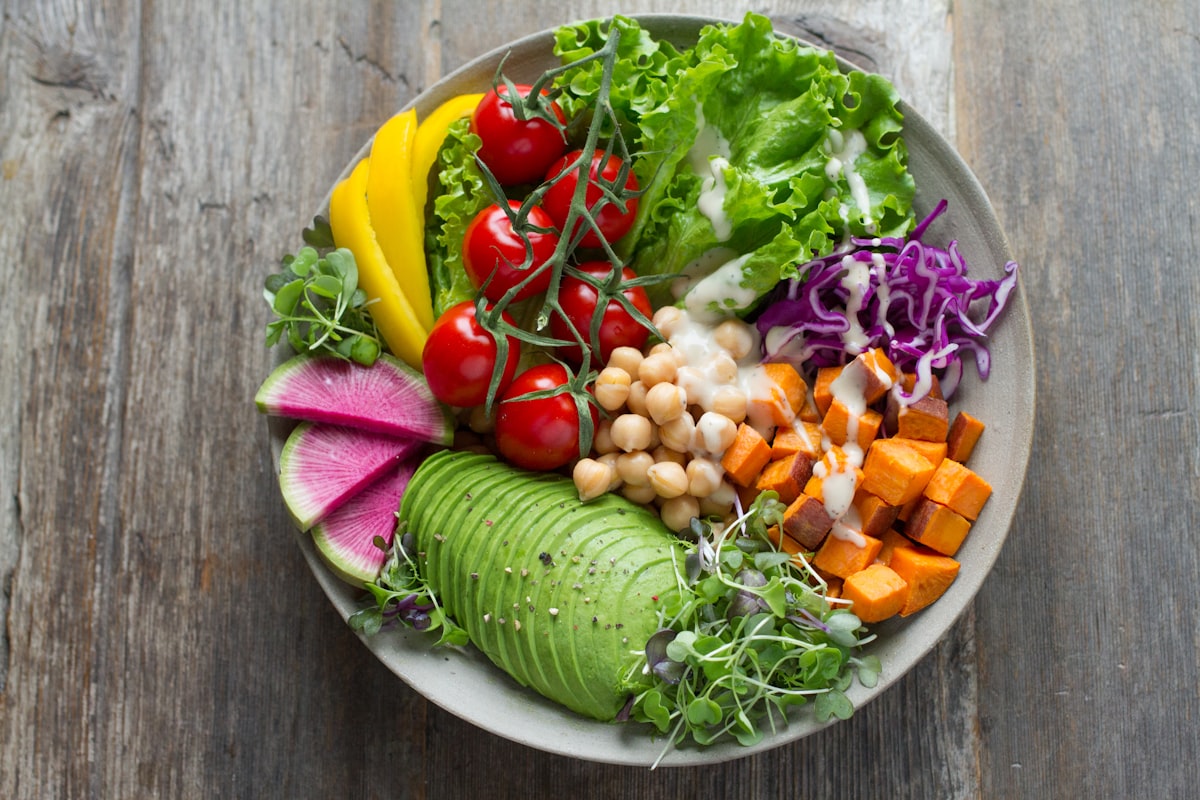
- Grain bowls
- Roasted vegetables
- Cooked grains
- Many braised dishes
Some crispy foods can become soft after refrigeration.
If texture matters, consider storing sauces separately or reheating certain ingredients separately.
Food Safety Matters
Meal prep is convenient, but food safety should come first.
Keep perishable foods refrigerated promptly rather than leaving them at room temperature for extended periods.
A refrigerator should remain at a safe cold temperature, and cooked foods should be reheated thoroughly.
When you're unsure whether stored food is still safe, don't rely solely on smell.
When in doubt about food safety, throw it out. The cost of replacing a meal is much lower than the cost of getting sick.
For exact storage and reheating recommendations, use current guidance from a trusted food-safety authority and follow the instructions for the specific food.
Meal Prep Ideas That Hold Up Well
Grain Bowls
Prepare:
- Rice or another grain
- Roasted vegetables
- Chicken, beans, tofu, or another protein
- Sauce
Store components separately or combine them depending on texture.
Roasted Vegetables
Roasted vegetables can be added to:
- Rice bowls
- Wraps
- Salads
- Pasta
- Eggs
Soup
Soup is one of the most convenient foods to prepare in batches.
Many soups also freeze well.
Overnight Oats
For breakfast, oats can be portioned into containers with milk or another liquid and toppings.
Common Beginner Mistakes
Prepping Too Much
Start with less.
Using the Wrong Containers
Choose containers that stack easily and seal properly.
Ignoring Texture
Some foods don't hold up well for several days.
Making Every Meal Identical
Use versatile ingredients in different combinations.
Forgetting Food Safety
Don't sacrifice safe storage to save time.
How to Make Meal Prep Easier
Try a simple weekly routine:
Day 1: Plan meals Day 2: Shop Day 3: Prep ingredients During the week: Assemble and reheat
You can also combine meal prep with normal cooking.
If you're already making dinner, cook extra rice or vegetables for another meal.
For more recipes, cooking techniques, and kitchen ideas, visit the [Cooking hobby hub](/hobby/cooking).
Good meal prep doesn't make your week rigid. It gives you more options with less work.