
How to Start Traveling: A Beginner's Guide
If you've always wanted to travel but don't know where to begin, the good news is that you don't need extensive experience to take your first trip.
Travel is a skill. The more trips you take, the better you'll become at choosing destinations, finding accommodations, planning transportation, packing, and handling unexpected situations.
The easiest way to start is to make your first trip simple.
Start With Why You Want to Travel
Before searching for flights or hotels, think about what you actually want to experience.
You might want to:
- See beautiful landscapes
- Experience different cultures
- Try new foods
- Visit historical sites
- Relax
- Go hiking
- Take photographs
- Meet people
- Attend events
- Explore cities
Your reason for traveling should influence your destination.
Someone interested in hiking might have a completely different ideal first trip than someone interested in museums and restaurants.
Choose an Easy First Destination
Your first trip doesn't need to be exotic.
Consider somewhere:
- Relatively close to home
- Easy to reach
- Affordable
- Comfortable for your experience level
- Interesting enough to motivate you
A nearby weekend destination can teach you many of the same skills you'll eventually use on a longer trip.
Pick Your Travel Style
There isn't one correct way to travel.
You might prefer:
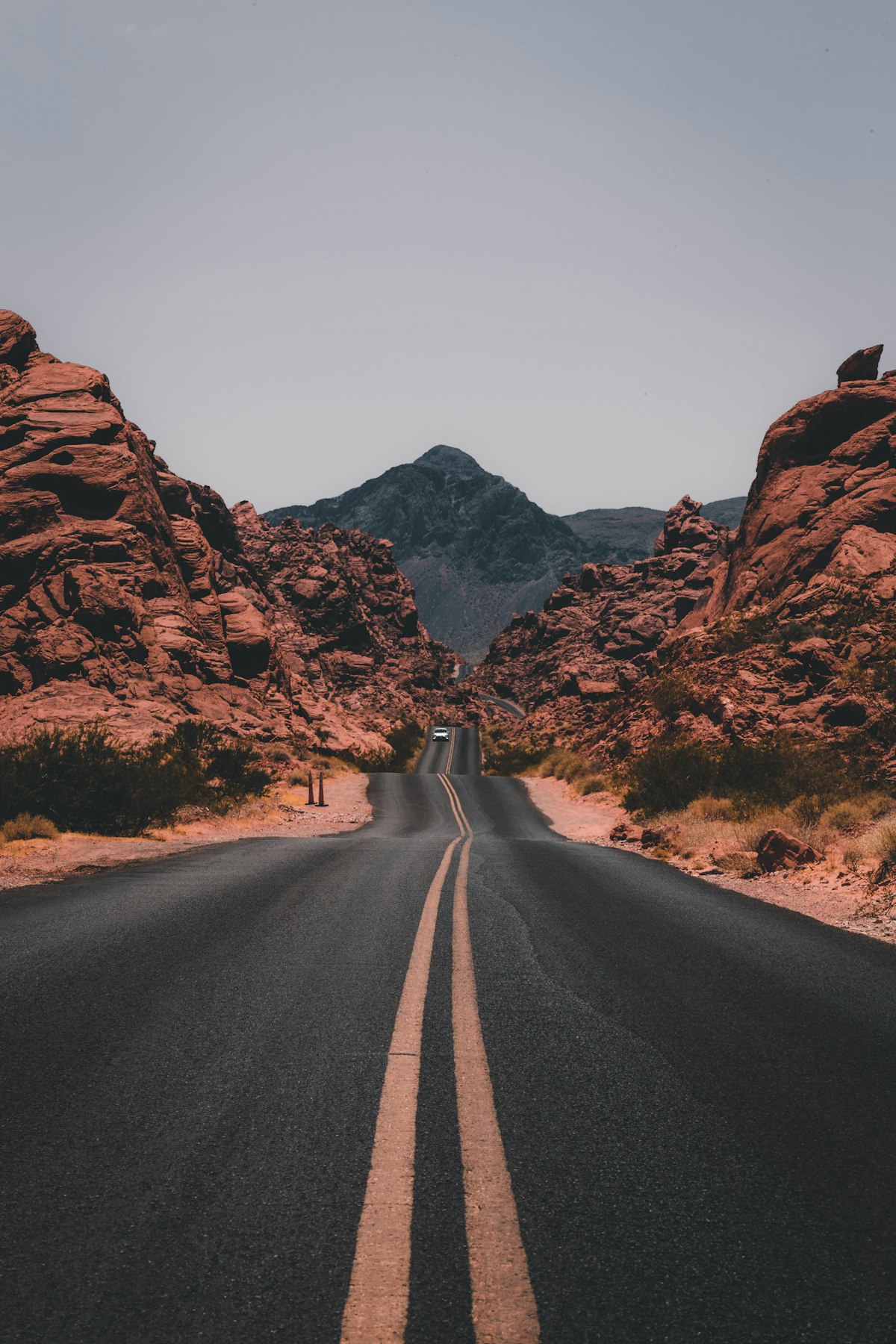
Road Trips
Good for travelers who enjoy flexibility and exploring along the way.
City Trips
Good for museums, restaurants, entertainment, shopping, and cultural experiences.
Outdoor Trips
Good for hiking, camping, fishing, photography, and nature.
Resort Trips
Good for travelers who primarily want relaxation.
Backpacking
Good for travelers who enjoy longer trips, lighter packing, and more flexibility.
Your preferred travel style will probably change over time.
Plan the Basic Logistics
Once you know where you're going, answer these questions:
- 1When am I going?
- 2How will I get there?
- 3Where will I sleep?
- 4How will I get around?
- 5What do I want to see?
- 6What will the trip cost?
- 7What do I need to bring?
You don't need to solve every detail immediately.
Make a Simple Itinerary
Write down your main activities by day.
For example:
Friday
- Travel to destination
- Check in
- Dinner
- Explore nearby area
Saturday
- Main attraction
- Lunch
- Outdoor activity
- Dinner
Sunday
- Breakfast
- Flexible activity
- Travel home
This is enough structure to keep the trip organized without making every hour mandatory.
Don't Overplan
One of the easiest beginner mistakes is trying to fit everything into one trip.
If you're visiting a city with 20 interesting attractions, you probably don't need to visit all 20.
Choose a few priorities.
A good itinerary gives you direction without turning your vacation into a schedule you have to race through.
Learn Basic Travel Skills
As you travel more, you'll naturally develop useful skills.
Start learning:
- How to compare transportation options
- How to evaluate accommodations
- How to read maps
- How to estimate travel times
- How to pack efficiently
- How to keep important documents organized
- How to research destinations
- How to handle delays and changes
These skills become more valuable than memorizing a particular destination.
Start With a Short Trip
For a first trip, consider two or three nights.
A short trip limits your financial risk and gives you a manageable amount of planning.
Afterward, think about what you'd change.
Did you pack too much?
Was the hotel too far from everything?
Did you schedule too many activities?
Did you spend more on food than expected?
Use those lessons on your next trip.
Build Your Travel System
Eventually, you'll develop your own travel checklist.
It might include:
- Passport or ID
- Wallet
- Phone
- Chargers
- Toiletries
- Clothing
- Shoes
- Medications
- Reservations
- Transportation information
- Emergency contacts
Keeping a reusable checklist can make preparation much easier.
International Travel
If your first trip is international, add another layer of preparation.
Check official information for:
- Passport requirements
- Visa requirements
- Entry requirements
- Local laws
- Currency
- Transportation
- Travel advisories
- Communication
- Insurance
Destination requirements can change, so verify them close to your departure date.
Keep Improving
Travel doesn't have to be expensive or complicated to become a hobby.
You can start with a day trip, then a weekend, then a longer vacation.
As your experience grows, you can experiment with:
- Solo travel
- Backpacking
- International travel
- Road trips
- National parks
- Photography trips
- Food-focused travel
For more beginner resources, visit the [Travel hobby hub](/hobby/travel).
The important part is to stop waiting until you feel like an experienced traveler. Your first trip is how you become one.