Hiking for Beginners: A Complete Guide
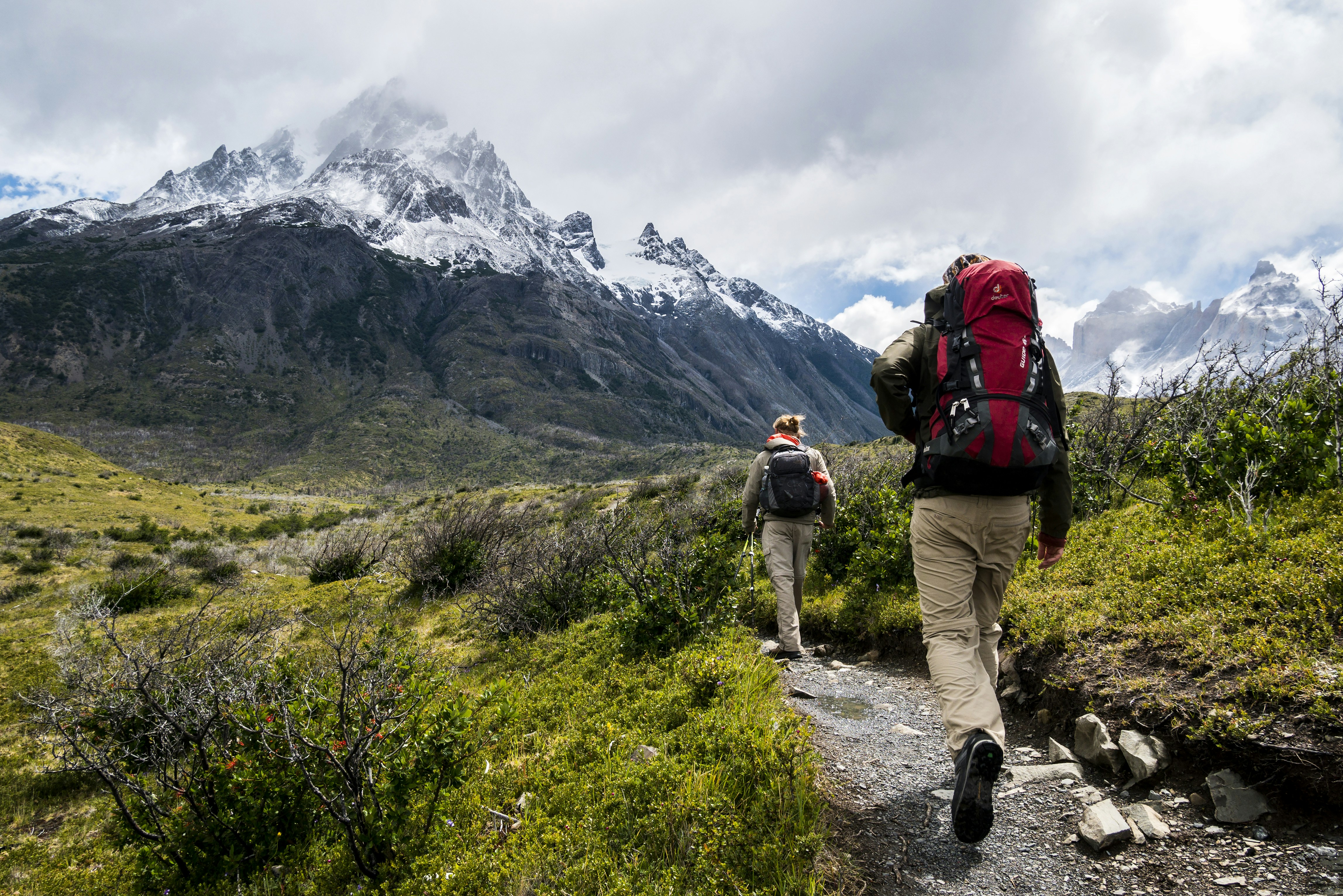
Hiking is one of the most accessible ways to spend time outdoors, explore new places, and get some exercise. It can be as simple as walking a short nature trail or as challenging as spending an entire day climbing through mountain terrain.
You do not need expensive equipment or years of outdoor experience to get started. The key is choosing an appropriate trail, preparing for the conditions, and understanding a few basic hiking principles.
This guide covers the essentials every beginner should know before heading out.
What Is Hiking?
Hiking is the activity of walking along natural trails, paths, and outdoor routes. Unlike walking on sidewalks or roads, hiking often involves uneven ground, elevation changes, rocks, roots, and changing weather conditions.
There are several types of hiking:
- Day hiking: Walking a trail and returning home on the same day.
- Backpacking: Hiking while carrying camping equipment and spending one or more nights outdoors.
- Nature hiking: Exploring relatively easy trails to observe wildlife, plants, and scenery.
- Mountain hiking: Walking routes with significant elevation changes and potentially difficult terrain.
- Thru-hiking: Completing a long-distance trail, often over several weeks or months.
Most beginners should start with day hiking. It requires less equipment and allows you to develop experience gradually.

How to Choose Your First Hiking Trail
Choosing the right trail is one of the most important decisions you will make as a beginner.
A trail that is too difficult can turn an enjoyable outing into an exhausting experience. Start with a route that matches your current fitness and experience.
Understand trail difficulty
Trail difficulty is generally influenced by several factors:
- Distance: How far you need to walk.
- Elevation gain: How much uphill climbing the route involves.
- Terrain: Whether the trail is smooth, rocky, sandy, or uneven.
- Exposure: Whether the route includes steep drop-offs or exposed ridges.
- Conditions: Weather, temperature, snow, mud, and water crossings.
A short trail is not automatically easy. A two-mile route with steep climbing and loose rocks may be more demanding than a longer, mostly flat path.
Start with shorter routes
For your first few hikes, look for well-maintained trails with modest elevation gain. A route of one to three miles can be a reasonable starting point, depending on your fitness and the terrain.
Check trail descriptions and recent reports before leaving. Pay attention to whether the distance is listed as one-way or round-trip.
Research the trail before you go
Useful sources for finding hiking trails include:
- Local and national park websites.
- Forest service and public land websites.
- Established hiking guidebooks.
- Trail mapping applications.
- Local outdoor clubs and hiking communities.
Read recent trail reports when available. A route that is normally easy may become difficult after storms, snow, flooding, or maintenance closures.
Essential Hiking Gear for Beginners
You do not need to purchase everything marketed to hikers. For a short day hike, focus on a few practical essentials.
Comfortable footwear
Your footwear should match the trail. Lightweight hiking shoes or trail runners can work well on maintained paths, while hiking boots may provide additional support and protection on rougher terrain.
Wear footwear that fits properly and has enough traction. Avoid starting a long hike in brand-new shoes without testing them first.
A suitable backpack
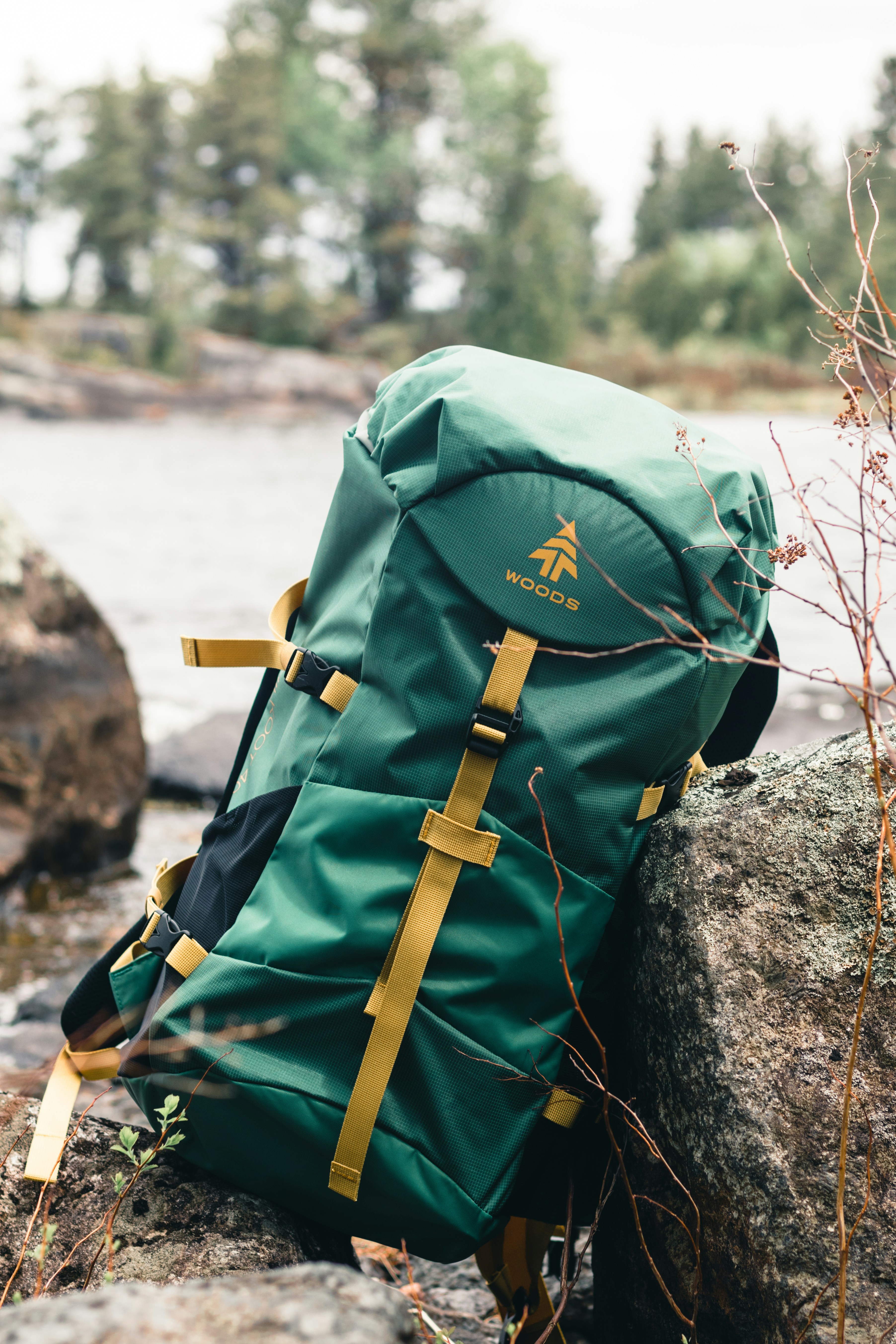
A small daypack gives you room for water, food, an extra layer, and basic emergency supplies.
Choose something comfortable that does not bounce excessively while walking. For short hikes, a large backpack is usually unnecessary.
Water and snacks
Bring enough water for the route, weather, and your personal needs. Hot temperatures, elevation, and strenuous climbing can increase how much you need.
Pack snacks that are easy to eat while moving, such as:
- Trail mix.
- Granola bars.
- Fruit.
- Nuts.
- Sandwiches.
- Energy snacks.
Do not assume that water will be available along the trail. If you plan to use natural water sources, carry an appropriate treatment method.
Clothing and sun protection
Dress for the weather and consider how conditions might change during the hike.
A useful starting point is:
- Moisture-managing base layers.
- Comfortable hiking pants or shorts.
- A lightweight insulating layer.
- A rain jacket when conditions warrant it.
- A hat and sunglasses.
- Sunscreen.
How to Prepare for a Hike
Preparation does not need to be complicated, but it makes a significant difference.
Before leaving:
- 1Check the weather forecast.
- 2Research the trail distance and elevation.
- 3Check for closures and recent trail conditions.
- 4Pack enough water and food.
- 5Bring navigation and emergency supplies.
- 6Tell someone where you are going and when you expect to return.
- 7Start early enough to finish with plenty of daylight.
For longer or remote hikes, leave a more detailed trip plan with someone you trust.
Basic Hiking Skills to Learn
You can build hiking skills through experience, but a few basics are worth learning early.
Pace yourself
Avoid starting too quickly. Walk at a pace that allows you to maintain steady progress without becoming exhausted.
Take breaks when needed, especially on steep climbs. Short, regular rests are often more comfortable than pushing yourself until you are completely tired.
Learn basic navigation
Do not rely entirely on your phone. Batteries can run out, devices can become damaged, and some trails have limited reception.
Learn how to use a map and compass, and consider carrying an offline map or dedicated navigation device on unfamiliar routes.
Understand trail etiquette
Good trail etiquette helps everyone enjoy the outdoors.
- Stay on established trails where possible.
- Pack out all trash.
- Give wildlife plenty of space.
- Keep noise at a reasonable level.
- Follow posted rules.
- Be considerate when passing other hikers.
Common Beginner Hiking Mistakes
New hikers often make a few predictable mistakes.
Choosing a trail that is too difficult: Be realistic about your experience. Save challenging routes for when you have developed the necessary skills and fitness.
Wearing unsuitable footwear: Poorly fitting shoes can cause blisters and discomfort.
Carrying too little water: Always plan for the conditions and the length of the route.
Ignoring the weather: Conditions can change quickly, especially in mountains and exposed areas.
Starting too late: Allow enough time to complete the route before sunset, including breaks and unexpected delays.
Relying only on a phone: Carry a backup navigation plan and conserve battery power.
Your First Hiking Checklist
Use this checklist before heading out:
- [ ] Choose a trail that matches your ability.
- [ ] Check weather and trail conditions.
- [ ] Wear comfortable footwear.
- [ ] Pack enough water and food.
- [ ] Bring an extra clothing layer.
- [ ] Carry a first-aid kit.
- [ ] Bring a map or offline navigation.
- [ ] Pack sun protection.
- [ ] Tell someone your hiking plans.
- [ ] Take all trash home.
Frequently Asked Questions
Is hiking suitable for beginners?
Yes. Many trails are designed for casual walkers and people who are new to hiking. Start with shorter, easier routes and increase difficulty as your experience grows.
Do I need hiking boots?
Not necessarily. Comfortable trail shoes can be suitable for many maintained trails. Boots may be useful for rough terrain, heavier loads, or conditions where additional protection is helpful.
How far should a beginner hike?
There is no universal distance. A short one- to three-mile route may be a good starting point, but terrain, elevation, weather, and fitness all matter.
Can I go hiking alone?
Solo hiking is possible, but beginners may benefit from going with an experienced companion. If you hike alone, choose a suitable route, tell someone your plans, and carry appropriate navigation and emergency supplies.
What is the best time of day to hike?
Starting in the morning often provides cooler temperatures and more daylight. In hot climates, early starts can be especially important.
Start Exploring
Hiking does not have to be complicated. Begin with a manageable trail, bring the essentials, and give yourself time to develop confidence outdoors.
As you gain experience, you can explore longer routes, more challenging terrain, and different types of hiking.
For your next step, explore our guides to best hiking gear for beginners, choosing a hiking trail, and hiking safety.